The request is simple enough: “I just want my teeth whiter.” The execution is where things branch. In London, Ontario, you can brighten your smile with professional in-office whitening or a supervised at-home kit from a dental clinic, alongside a swarm of over-the-counter options that promise instant results. The best path depends on your starting shade, enamel health, sensitivity history, timeline, and the color changes you realistically want. As someone who has watched hundreds of patients move from coffee-stained smiles to lighter, brighter shades, I’ve learned that the right plan blends science with lived routine.
How whitening actually works
Teeth whitening relies on peroxide chemistry. Carbamide peroxide or hydrogen peroxide breaks down into reactive oxygen molecules that lift pigmented compounds from enamel and dentin. The stains you can fade include coffee, tea, red wine, tobacco, some food dyes, and the slow yellowing that comes with age. The stains you can’t easily move include tetracycline-induced banding, fluorosis mottling, and color changes from trauma that turn a tooth grey. Those require additional planning and sometimes a different dental service like internal bleaching for a previously root canal treated tooth, or a cosmetic dentistry solution such as porcelain veneers.
Shade guides tell the practical story. The classic VITA scale runs from lighter B1 toward deeper A4 ranges. With in-office whitening under a cosmetic dentist’s supervision, two to eight shades change is common, particularly if a patient starts in the A3 to A4 range. At-home dentist-dispensed trays can deliver similar totals, just on a slower runway. Over-the-counter strips tend to give one to three shades if used correctly and consistently.
In-office whitening in London clinics
Walk into a dental clinic in London, settle into the chair, and a dental hygienist or dentist isolates your gums, paints a high-concentration gel, and times exposures in controlled cycles. Around here, most offices use 25 to 40 percent hydrogen peroxide gels. Some pair gel with an LED activation light. The light does not “laser off” stains. At most, it warms the gel slightly and can accelerate peroxide breakdown. The key variables are the peroxide concentration, contact time, even coverage, and post-treatment care.
Where in-office shines:
- Immediate results. If you have a wedding Saturday and it is Thursday, this route makes sense. Professional isolation and desensitizers. You are less likely to burn soft tissue, and we can apply varnishes that reduce the post-whitening zing. Predictability for deep yellowing. Stronger gels can move color that at-home kits struggle to shift.
A typical appointment runs 60 to 90 minutes. Cost in London ranges widely, often 350 to 750 CAD depending on brand, number of cycles, and whether take-home trays are included for maintenance. Sensitivity peaks within 24 hours post-op for most patients, then fades. Patients who already jump at cold air have a higher chance of discomfort. We mitigate this with potassium nitrate toothpaste for 2 weeks prior, a fluoride application after the session, and spacing food and drink choices to avoid acids for a day.
At-home whitening with professional trays
Custom trays turn whitening into a series of short, consistent sessions. The dental team takes impressions or scans, fabricates thin trays that hug each tooth evenly, and dispenses gel in the 10 to 20 percent carbamide peroxide range, or roughly 6 to 10 percent hydrogen peroxide equivalent. Wear time depends on your enamel and lifestyle. I’ve seen strong results with 60 to 90 minutes daily for 10 to 14 days, then touch-ups a few times a year.
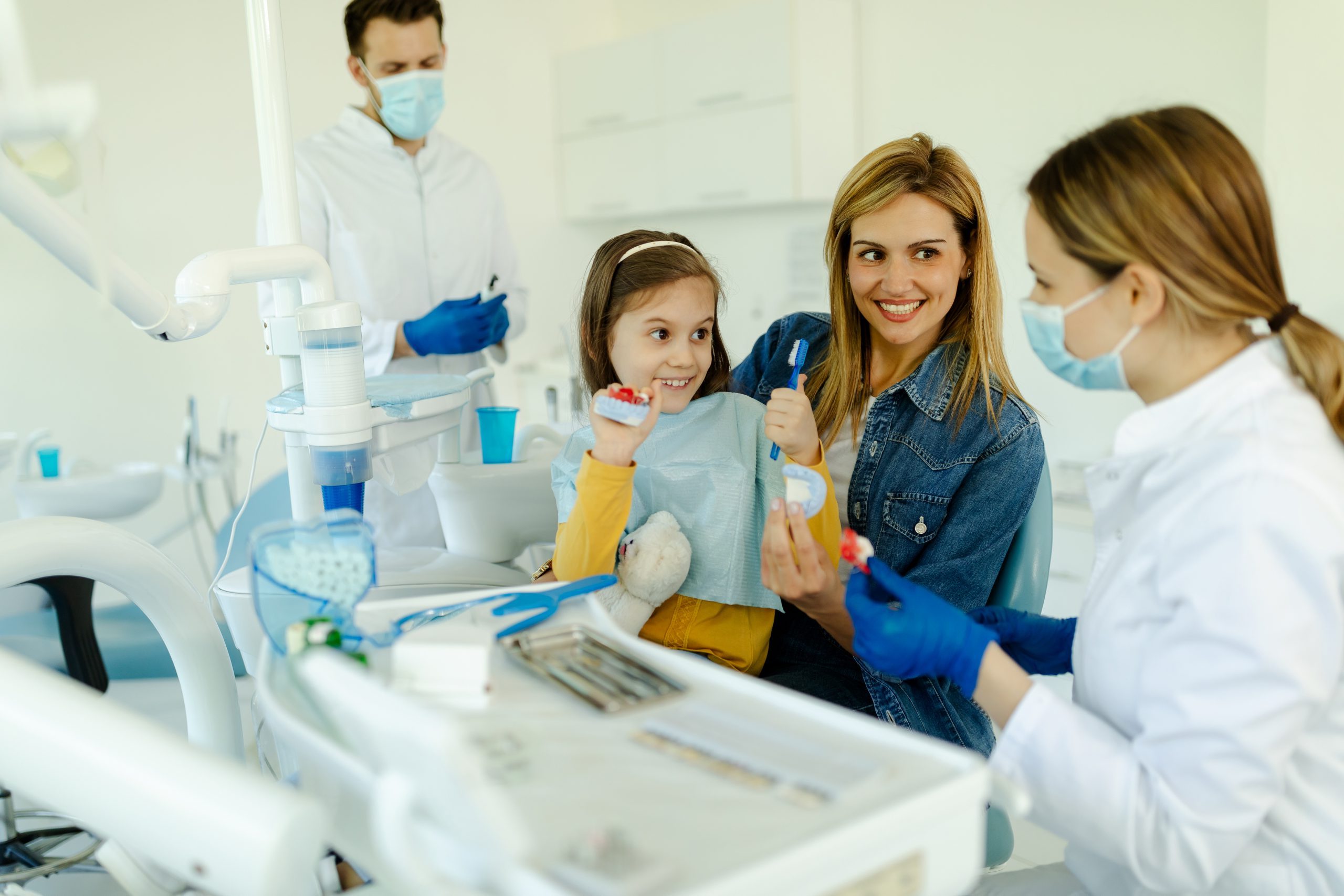
The strengths here include control and comfort. You can pause if sensitivity flares, use lower concentrations, and gradually guide shade change. If you drink a daily Americano, you can top up before events rather than restarting a heavy cycle. Upfront cost typically lands between 250 and 450 CAD for trays and gel, then 25 to 60 CAD for refill syringes. Over a few years, this is often the most cost-effective professional route.
The critical factor is tray fit. Loose, overextended trays flood the gums with gel and increase sensitivity. Proper trays allow small gel “buttons” only on the front teeth you intend to lighten. A dental hygienist will coach you on dot-size amounts, blotting away excess, and sequencing wear to avoid uneven results. If your smile line shows the premolars, include them in the trays from the start. This avoids bright front teeth and darker sides.
What about pharmacy strips and whitening pens?
Over-the-counter strips can help if your stains are mild and you can commit to daily wear. They tend to sit at 6 to 10 percent hydrogen peroxide and are engineered for minimal leakage. Expect subtle, gradual change. Where patients get into trouble is stacking multiple boxes, using strips back-to-back while also brushing with abrasive “whitening” toothpastes. That combination erodes comfort and sometimes etches the enamel surface, making future sensitivity persistent.
Whitening pens work for spot touch-ups but rarely deliver uniform change across a smile. Rinses are generally too dilute to matter. Charcoal powders look dramatic yet are abrasive, and I have seen them scratch enamel and roughen composite fillings. If you are wearing orthodontic braces, avoid any over-the-counter system that cannot reach under brackets; you will only whiten around the edges and reveal squares when the brackets come off.
Choosing between in-office and at-home: how I guide patients
Start with a dental exam. This is not gatekeeping, it is triage. A dentist in London, Ontario will look for cavities, leaky fillings, gum recession, enamel cracks, and existing dental work that will not change color. Whitening gels do not lighten porcelain veneers, crowns, dentures, or resin fillings. If your front teeth include older composite fillings and you bleach aggressively, those patches will look darker by contrast and might need replacement after whitening. Aligning the sequence saves you money and grief.
Patient scenarios tend to fall into patterns:
- The fast-track event. You have four days before headshots. We plan an in-office session with a mild desensitizing regimen, then hand you trays for gentle maintenance. The sensitive enamel story. History of zingy teeth, exposed roots, or thin enamel. At-home trays with 10 percent carbamide, every other day for three weeks, paired with nightly potassium nitrate, gives control without misery. The coffee devotee. You rotate between black coffee and tea all day. At-home trays are your friend. We push to your target shade over two weeks, then refresh quarterly, often one or two sessions, to hold ground. The heavy stain restart. Smokers and long-term tea drinkers sometimes benefit from a single in-office kickoff to break through plateau, then at-home trays to even out and maintain. The mixed-restoration reality. Several front-tooth fillings, a porcelain veneer on a lateral, maybe a crown on a central from a past root canal. We whiten gently to a livable shade, wait two weeks for color to stabilize, then update the restorations to match. This involves a cosmetic dentist’s eye for shade mapping and material selection.
If you grind your teeth, discuss a nightguard strategy. Some patients can use their existing guard as a tray. Others need distinct whitening trays so the occlusion of the guard does not squeeze gel onto the gums. If you are progressing through myofunctional therapy or planning orthodontic braces, sequence whitening around those plans to avoid uneven results.
Safety, sensitivity, and the science of comfort
Sensitivity is chemistry plus anatomy. Peroxide opens microtubules in enamel and dentin, transiently increasing fluid movement and nerve response. Exposed root surfaces and microcracks magnify the signal. Two habits blunt the problem: pre-load desensitizer toothpaste with 5 percent potassium nitrate for 10 to 14 days before starting, and use neutral sodium fluoride after sessions. In a clinic, we often paint a high-fluoride varnish at the end of in-office cycles. At home, limit acidic foods and very hot or cold drinks for the first 24 hours. If sensitivity still spikes, lower your gel concentration and spread sessions out.
Gum irritation is nearly always a dosing or fit issue. Wipe excess gel promptly. With in-office treatments, a dental hygienist applies a resin barrier to protect tissues. At home, use a rice-sized dab per tooth, not a line along the tray. If you taste bitter gel, you used too much.
Patients with untreated cavities, cracked teeth, or ongoing tooth pain should not bleach until the dentist resolves those problems. Whitening gel inside a cavity can ignite nerve pain quickly. If you need a filling or tooth extraction, schedule care first. An emergency dentist in London can stabilize acute issues, then you can revisit cosmetic goals later.
Limits of whitening and when to consider alternatives
No whitening gel changes the color of porcelain or composite. If your smile includes porcelain veneers or crowns on front teeth, whitening can still make sense, but you must plan for potential replacement or shade adjustment. Dentures obviously do not https://jaidenxbgv344.wpsuo.com/pediatric-dentist-tips-braces-and-early-orthodontic-signs-1 whiten; a thorough teeth cleaning by a dental hygienist removes plaque and calculus, but cured acrylic holds intrinsic color. If your natural teeth are heavily mottled from fluorosis or show grey from past trauma, you can blend the shade with careful bleaching, yet full correction often requires a cosmetic dentistry solution like veneers or full coverage crowns.
Internal bleaching is different. If a single tooth darkened after a root canal, a dentist can place whitening agents inside the tooth temporarily, then seal it. This is a targeted procedure and should be done by a dentist familiar with endodontic access and sealing protocols to avoid cervical resorption. When complexity rises, a dental implants periodontist or a restorative dentist with strong cosmetic experience may be looped in to coordinate overall aesthetics, especially if implants or advanced gum work are part of the picture.
Stain prevention that actually works
Think in terms of exposure and remineralization. Pigments bind better to rough, dry, or demineralized enamel. If you love berries, curries, soy, or red wine, you do not need to live like a monk. Rinse with water after meals, wait 20 to 30 minutes for saliva to buffer acids, then brush. Brushing immediately after an acidic drink can abrade softened enamel. Chewing sugar-free xylitol gum after dark beverages helps stimulate saliva and lower the risk of stains sticking.
Professional teeth cleaning every 6 months, or every 3 to 4 months if you build heavy calculus, keeps surfaces smoother and more stain-resistant. A dental hygienist can remove external stains with polishing pastes and air flow powders that are gentler than DIY abrasives. During routine dental exams, your dentist can flag microleakage around fillings, early cavities, or gum recession that will complicate whitening. Fixing those first makes your results both brighter and more comfortable.
What to expect the day of in-office whitening
You will sit longer than you think, and you will listen to a lot of timing cues. After pre-op photos and a shade reading, we isolate your gums with a resin dam, place retractors, dry the teeth, and paint gel in a thin layer. You will feel little at first, then occasional zings that feel like a rubber band flick. We suction and replace gel every 10 to 20 minutes depending on the brand. Most patients tolerate two to three cycles. If the zings stack up, we stop early rather than chase a marginal extra half shade. Post-op, we remove the barriers, polish lightly, and apply fluoride. Expect your teeth to look slightly chalky right away; they rehydrate and “settle” over 24 to 48 hours. The shade often looks its best on day two.

If you plan to update front-tooth fillings to match the new color, wait around two weeks. Oxygen lingering in enamel can interfere with bonding and shade selection. A cosmetic dentist will re-shade composites using layered tints so the final look matches the new baseline, not the pre-whitening color.
At-home whitening that stays on track
Set a routine you can keep. Evenings after dinner work well, provided you are done snacking. Seat the tray, set a timer, and avoid sipping colored drinks during wear. If gel expresses onto gums, remove the tray and blot away excess, then reseat. Store syringes in a cool place, often the refrigerator, to extend shelf life. Make a note of when sensitivity flares. If it starts on day four each time, switch to every-other-day wear around that point and extend the calendar by a week. The goal is a steady climb to target shade, not a sprint followed by burnout.
For maintenance, most patients in London who drink tea or coffee need two to four short sessions every three to six months. Smokers usually need more frequent touch-ups. If you use whitening toothpaste, choose one with the Canadian Dental Association Seal and low Relative Dentin Abrasivity. You are maintaining color, not sanding your enamel.
Special situations: braces, implants, dentures, and extractions
If you are starting orthodontic braces soon, whiten before brackets go on, not during. Gels cannot reach under brackets, and the halo effect is real. If you are already in clear aligner therapy, ask your dentist whether selected trays can double as whitening trays. Often they can, with small adjustments. If you are considering dental implants in London, Ontario, plan shade early. Implants and their crowns do not change color once fabricated. We whiten natural teeth first, let them stabilize, then match the implant crown to the lighter shade.
For patients wearing dentures in London, Ontario, whitening is not applicable to the denture itself. However, partial denture wearers can whiten remaining natural teeth and then reline or adjust the appliance to harmonize the smile. If you recently had a tooth extraction, wait for soft-tissue healing before any whitening, typically two to three weeks for simple cases, longer for surgical sites.
Where emergency care fits
Whitening is elective, but dental pain is not. An emergency dentist in London, or any emergency dental service, should see you first for swelling, spontaneous pain, or broken teeth. Whitening gel on an inflamed pulp is a recipe for agony. Once stabilized, a dentist can guide you back to cosmetic goals. Sometimes the path involves a root canal to save a tooth, followed by internal bleaching or a crown. Other times, you may transition to implants if a tooth cannot be saved. Sequencing matters, and a comprehensive dental clinic in London that offers both restorative and cosmetic dentistry makes planning smoother.

Costs, expectations, and avoiding buyer’s remorse
Patients ask the same three questions: How white will I get, how long will it last, and how much will it cost? The honest answers are, respectively, lighter than now but not movie-poster white for every case, one to three years with maintenance and careful habits, and a few hundred dollars professionally with some ongoing cost for upkeep. Over-the-counter options are cheaper upfront and lighter in effect.
What leads to disappointment are mismatched expectations and unaddressed restorations. If a front tooth has a visible composite filling, budget to refresh it after whitening. If your smile has multiple porcelain veneers in good condition and you only want to freshen a mild yellow cast, discuss a gentle at-home plan or professional polishing first. If your baseline is A4 and you want B1 in a single afternoon, your dentist should carefully manage expectations, possibly propose a combination approach, and talk through alternatives like veneers.
How to vet a provider in London, Ontario
Teeth whitening sounds simple, but experience shows in the details. Look for a dental clinic in London that takes pre-op photos, tracks shade with a standardized guide, offers both in-office and take-home options, and talks candidly about limitations with existing dental work. A practice that handles dental implants, cosmetic dentistry, and general dental exams under one roof can coordinate care if your case extends beyond color. Ask how they handle sensitivity, what desensitizers they use, and what maintenance they recommend. If you are prone to emergencies or have a complex schedule, proximity to an emergency dentist in London, Ontario can be practical peace of mind.
A practical comparison you can use today
- Speed and occasion. In-office wins for immediate change before a job interview, reunion, or photoshoot. At-home wins for a gentle, steady build. Comfort and control. At-home trays are easier to modulate if you have sensitive teeth or gum recession. In-office depends on your tolerance for a concentrated session, mitigated by professional barriers and varnishes. Cost over time. In-office has a higher upfront fee with quick gratification. At-home, once trays are made, costs less to maintain year over year. Maintenance reality. Both require upkeep. Coffee, tea, and red wine do not negotiate. The person who maintains will look whiter longer, regardless of the starting method. Restorations. If you have visible fillings, crowns, or porcelain veneers, neither option will change their color. Expect a follow-up plan with your cosmetic dentist to harmonize shades.
Final thoughts from the chair
I have seen patients brighten eight shades in a single appointment and glow all weekend. I have also seen careful at-home users quietly surpass their in-office friends over three weeks and keep that shade for years with periodic refreshers. Both paths work when chosen for the right reasons and sequenced with your broader oral health. Let a dentist in London, ideally one who also collaborates closely with a dental hygienist team, examine your teeth, check for decay or leaky fillings, and set expectations. If you need other dental services first, tackle them. A stable, healthy mouth responds predictably to whitening.
Teeth are not blank canvases, they are living structures with quirks, past dentistry, and habits etched into them. Respect those realities, choose the method that fits your timeline and tolerance, and you will get a brighter smile that looks like you, only more rested. And when the next coffee kicks off another slow tint, you will have a plan, not a panic.