Dental implants changed how we restore full arches of missing teeth. For people who have struggled with loose plates, sore spots, and avoiding hard foods, implant-supported dentures can feel like leaving a rocking canoe for a sturdy dock. I have watched patients bite into apples for the first time in years, speak without worrying about a denture slipping, and smile without adhesive under their tongue. The technology is solid, the outcomes are predictable when planned correctly, and the day-to-day comfort is hard to overstate.
This guide explains how implant-supported dentures work, when they shine and when a different approach might be better, what they cost in real terms, and how to care for them so they last. I will lace in details from chairside experience and planning meetings with surgeons, prosthodontists, and patients who bring real-world goals and constraints.
What “implant-supported” really means
A conventional denture rests on the gums. The upper plate gains suction from the palate, and the lower plate balances on a narrow ridge that moves every time the tongue and cheeks move. Adhesives help a little, but bone resorbs steadily after tooth loss, so fit worsens with time.
An implant-supported denture connects to titanium implants placed in the jawbone. The implants act like new roots, transferring bite forces to bone instead of soft tissue. There are two broad categories:
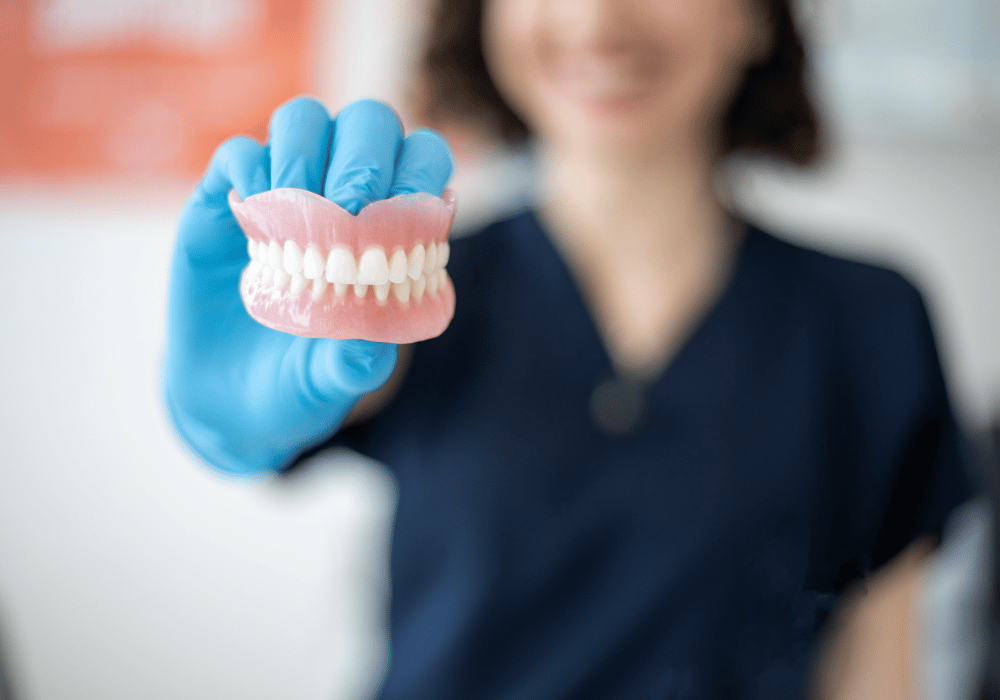
- Overdentures that snap onto attachments (locators or a bar) anchored by two to six implants. These are removable by the patient for cleaning. Fixed hybrid bridges, often called “All-on-4” or “All-on-X,” that screw onto four to six implants and stay in place except during professional maintenance.
Both approaches distribute forces through implants, providing the stability most people seek. The choice between removable and fixed depends on anatomy, hygiene ability, budget, and preference.
How many implants do you need?
For a lower arch, two implants under a locator overdenture are a classic workhorse. This converts a slippery lower plate into a stable prosthesis that resists dislodgment during speech and meals. Four implants improve stability further and reduce wear on the attachments.
For an upper arch, more implants are usually required. The maxilla has softer bone and is subject to sinus anatomy. Four implants can support an overdenture, often with a connecting bar that evens force distribution. Fixed hybrids generally use four to six implants per arch, depending on bone volume and bite forces.
If a patient clenches or has a heavy bite, we lean toward additional implants or a stronger framework. When bone is delicate or volume is limited, a “tilted implant” approach or grafting can open doors without increasing implant count excessively.
Stability you can feel
The first reaction many patients have after delivery is surprise at how firm the prosthesis feels. A lower overdenture that snaps in on two well-placed implants can withstand routine lateral movements that would pop a traditional denture loose. With a fixed hybrid, the sensation approaches natural teeth because the prosthesis does not lift, rock, or rely on suction.
Speech improves because the tongue no longer fights to keep a plate seated. Chewing efficiency increases, which matters for nutrition and digestive comfort. I encourage patients who have avoided salads, nuts, or crusty bread to reintroduce those textures gradually. Within a few weeks the chewing reflex resets from tentative to confident.
Comfort beyond adhesives
Soft-tissue irritation is the bane of conventional dentures. Sore spots develop where the acrylic meets moving mucosa. With overdentures, tissue support remains part of the equation, but the implants take much of the load. Pressure points decrease, and adhesive becomes optional. Patients who used to keep a tube in their pocket put it away for good.
Fixed hybrids leave the palate uncovered on the upper arch, which opens the taste and temperature experience again. Hot coffee tastes hotter without an acrylic palate, and spices land more vividly. Fewer gag reflex triggers help patients with a sensitive soft palate.
Bone preservation and facial support
When teeth are lost, the body remodels bone. Think of the jaw as a structure that expects to be loaded. No teeth means no load, so the alveolar ridge gradually resorbs. Dental implants signal the bone to maintain itself. Over time, that preservation can mean a more stable facial profile and a better foundation for the prosthesis.
For patients concerned about lip support or midface collapse, we often design flanges and contours that restore youthful fullness without feeling bulky. This is as much art as science. Try-ins matter. A few millimeters of acrylic here and there can shift how light hits the smile and how the upper lip reads in a photograph.
Who is a good candidate?
Health history guides the plan more than age does. I have treated vigorous 80-year-olds whose bone quality made surgeries straightforward, and 50-year-olds whose systemic conditions required a slower, more conservative approach.
- Tobacco use, poorly controlled diabetes, and certain medications (like long-term bisphosphonates) can impair healing. We coordinate with physicians and, when appropriate, adjust surgical strategy. A history of periodontitis is not a dealbreaker, but it heightens the need for maintenance and hygiene coaching. Patients with limited manual dexterity may fare better with removable overdentures they can clean easily, unless a committed caregiver can assist with fixed-hybrid home care.
If significant bone loss has occurred, grafting or sinus augmentation may be necessary. Some patients prefer the immediacy of a graftless All-on-4 concept that uses tilted implants to engage stronger bone. Others accept a staged approach with grafting to broaden their options. The right path balances surgical complexity, cost, and long-term goals.
The treatment roadmap, demystified
No two cases are identical, but here is the rhythm most full-arch implant journeys follow.
First, we evaluate with 3D cone beam imaging. This reveals bone volume, sinus positions, nerve locations, and pathology. We record jaw relations, smile lines, phonetics, and bite force patterns. If you still have failing teeth, we decide which to extract and when.
Second, we plan prosthetics before surgery. Digital design lets us position teeth for aesthetics and function, then guide the implants to support that design. Templates or fully guided kits help place implants with precision. When acting as the restorative dentist within a larger team, I coordinate with the implant surgeon and a dental lab so everyone speaks the same blueprint.
Third, we consider temporization. Many full-arch cases allow for immediate loading with a provisional prosthesis the same day as implant placement. This means you do not leave edentulous. The temporary protects the tissues and sets the stage for soft-tissue shaping. Where bone quality or stability is marginal, we use a healing denture while the implants integrate over 8 to 16 weeks.
Fourth, the final prosthesis. For overdentures, we choose attachment types: locator studs for simplicity, or a milled bar for maximum stability. For fixed hybrids, we select a framework material like titanium or cobalt-chrome, and a tooth material such as high-strength acrylic with nano-fillers, composite, or monolithic zirconia. Each has trade-offs in weight, wear, repairability, and sound on chewing.
Trade‑offs: fixed versus removable
Fixed hybrids feel the most like natural teeth and free patients from daily prosthesis removal. They also demand meticulous hygiene. Water flossers, interproximal brushes, super floss under the bridge, and consistent dental hygienist visits are nonnegotiable. Repairs can involve unscrewing the prosthesis in the dental clinic, which is simple for us but requires a scheduled visit.
Overdentures are easier to clean outside the mouth and often cost less up front. Attachments wear and will need periodic replacement. Some patients notice a bit of vertical play when chewing, especially with two-implant lower overdentures, although it is far less than a conventional denture. Speech adaptation is generally quick with both designs, though fixed hybrids often require less tongue retraining because they are slimmer.
Cost and value, in plain numbers
Prices vary by region and lab choices, but the ranges below capture what many patients encounter:
- Two-implant lower overdenture: often one-third to one-half the cost of a single-arch fixed hybrid. Four-implant overdenture with a bar: typically midrange, with added stability and smoother wear over time. Fixed hybrid per arch: the upper tier, reflecting more implants, a milled framework, and precise lab work.
Longevity helps justify the investment. Locator inserts may need replacement every 12 to 24 months depending on bite forces. Acrylic teeth on a hybrid may require maintenance after several years, while zirconia is more chip resistant but less forgiving to adjust. A strong maintenance program preserves your investment and keeps small issues from growing.
If you live in a city with a robust dental community, you will find multiple providers offering these services. In larger centers and university towns, search terms like Dental implants periodontist or Cosmetic dentist can help you compare training and scope. For patients in Southwestern Ontario, queries such as Dentist London Ontario, Dental clinic London, Dentists London Ontario, Dental implants London Ontario, or Emergency dentist London Ontario will surface local options. Some practices coordinate same-day conversions for immediate function, while others stage care with a focus on conservative healing. Choose a team that shows you their workflow, not just before-and-after photos.
Materials and design details that matter
Frameworks bear the load. Titanium and cobalt-chrome are time-tested and repairable. Pekkton and other high-performance polymers lighten weight with some flex, which can feel comfortable but must be matched carefully to implant distribution. Monolithic zirconia is incredibly strong and resists staining, yet it is heavier and can be unforgiving under heavy parafunction if not designed with thoughtful occlusion.
For teeth and gingival ceramics, layered composites and acrylic allow easy repair and softer chewing acoustics. Zirconia teeth, when polished properly, resist wear but can sound “clickier,” which some patients notice. Occlusal schemes like lingualized occlusion on overdentures reduce lateral stress and wear on attachments.
Attachment choices influence maintenance. Locators are versatile, color-coded by retention strength, and easy to service chairside. Bars with clips distribute force even more evenly and are excellent for atrophic ridges but cost more initially and require precision milling.
What the day of surgery feels like
Most full-arch implant placements happen under local anesthesia with optional oral or IV sedation. You will feel vibration and pressure but no sharp pain. If we plan an immediate provisional, the lab or in-house milling team refines it while you rest. Expect to be in the dental clinic for several hours. Swelling peaks at 48 to 72 hours, then recedes. A soft, cool diet for the first week keeps the site comfortable. Avoid smoking entirely during healing if you can; it compromises blood supply and jeopardizes osseointegration.
For extractions and implant placement in one visit, we sometimes perform minor bone smoothing. If you require a sinus lift or ridge augmentation, the day is longer and the aftercare more involved, but discomfort is manageable with prescribed medication and cold compresses. When urgent needs arise, practices that offer Emergency dental service or list themselves as Emergency dentist London can handle acute pain or broken teeth and often coordinate with implant teams for definitive planning.
Hygiene: the make-or-break habit
Long-term success hinges on daily biofilm control. Fixed prostheses create sheltered zones that demand deliberate access. I coach patients to think in a sequence rather than a scramble.
The home routine below covers what most people need to keep tissues healthy and breath fresh. It is short, precise, and realistic.
- Morning: power brush the prosthesis and gumline for two minutes; water floss under a fixed bridge or clean overdenture attachments. Midday: quick rinse after lunch; check for debris under the bridge with a proxy brush if you ate fibrous foods. Night: repeat the morning routine and add super floss or floss threaders for fixed hybrids; soak a removable overdenture in a non-abrasive cleaner out of the mouth. Weekly: inspect attachment inserts on overdentures for wear; look for redness or tenderness along the tissue interface. Every 3 to 6 months: professional maintenance with a dental hygienist familiar with implants; request a screw check and occlusion review annually.
For patients with myofunctional habits like tongue thrust or clenching, adjunctive myofunctional therapy and occlusal guards can reduce forces that stress implants and prosthetics. Good saliva flow matters as well. Hydration, medication review, and sometimes remineralizing gels help those with dry mouth.
Managing expectations and edge cases
No solution is perfect for every mouth. If your gag reflex is intense, plan an upper prosthesis without a palatal coverage when feasible. If you grind heavily at night, acrylic hybrid teeth may wear faster, while zirconia can feel too hard without a protective guard. If you have limited interarch space, we may need to shorten teeth or choose slimmer materials to avoid speech distortion.
Occasionally, an implant fails to integrate. It happens in a small percentage of cases, often detected early and managed by removing the implant, letting the site heal, and placing a new fixture later. Meticulous planning, sterile technique, and avoiding overload during early healing keep that risk low.
Systemic health changes can also alter the plan midstream. Chemotherapy, new anticoagulants, or bisphosphonate therapy invite a recheck of timing and surgical choices. A collaborative care model with your medical team keeps dentistry aligned with overall health priorities.
Aesthetic planning that respects your face
Teeth are not just chewing tools. They frame the lower third of the face, shape certain consonants, and reflect light in a way https://keeganwkaq009.theburnward.com/teeth-whitening-in-london-ontario-in-office-vs-at-home-2 that signals vitality. We evaluate smile arc, midline, buccal corridor fill, incisal edge position relative to the lower lip, and how much gum shows on a full smile. With full-arch cases, we also design pink aesthetics. The transition line between the prosthetic gingiva and natural tissue should ideally sit above the smile line to avoid a visible junction in everyday expressions.
Shade selection benefits from photos in natural light, a conversation about goals, and sometimes a trial with a lighter or warmer set to see how it reads against skin tone. Cosmetic dentistry is not about making teeth uniformly white; it is about balance and proportion. For those considering adjacent treatments such as Teeth whitening, Porcelain veneers, or Orthodontic braces on remaining teeth, we coordinate sequencing so final shades and positions match harmoniously.
The role of the broader dental team
Excellent outcomes flow from coordination. A periodontist or oral surgeon places implants. The restorative Dentist designs and delivers the prosthesis. A skilled Dental hygienist trains you in home care and monitors tissue health. The Dental clinic provides access for adjustments, replacement inserts for overdentures, and emergency support if a screw loosens or a tooth chips.
If you search locally, terms like Dental services, Cosmetic dentistry London, Teeth cleaning, Dental exams, or Dental implants London bring up comprehensive practices that can handle diagnostics, hygiene, and restorative work under one roof. For those in or near Southwestern Ontario, tags like Cosmetic dentistry London Ontario, Dental implants London Ontario, Dentures London Ontario, Teeth whitening London Ontario, or Dentist London help narrow the field to clinics familiar with the regional referral network and lab partners.
Maintenance milestones across the years
Think of maintenance in seasons. Early months are about healing and learning the new hygiene routine. Year one is about fine-tuning occlusion, polishing rough spots, and replacing any overdenture inserts that bed in quickly. Years two to five focus on preserving screw stability, monitoring bone levels on radiographs, refreshing retentive elements, and renewing the polish and luster of prosthetic teeth.
At the five to ten year mark, many patients elect a refresh. That might be new teeth on an existing framework, relining an overdenture to tighten the tissue fit, or upgrading to stronger materials if wear patterns suggest it. Properly maintained implants themselves can last decades. The prosthesis that sits on them is the wearable component, like tires on a car that still has plenty of engine life.
When other treatments are part of the journey
Not every patient moves straight to full-arch implants. Some begin with Tooth extraction of a few non-restorable teeth, provisional partials, and Teeth whitening to harmonize remaining dentition. Others explore Root canal therapy and fillings to save strategic teeth that can anchor a partial denture. Orthodontic braces or clear aligners may reposition teeth to create ideal spacing, either delaying or avoiding extractions and implants. Cosmetic dentistry blends with function here, so a Cosmetic dentist will weigh gum contours, phonetics, and face shape, not only shade charts.
If dental anxiety or an urgent situation keeps you from routine care, access to an Emergency dentist London Ontario or an Emergency dental service can stabilize pain and open the door to a long-term plan. Restorative dentistry is most successful when it unfolds methodically, but real life occasionally requires triage. Good teams handle both.
Practical questions patients ask
Will I be without teeth during treatment? Usually not. With immediate-load protocols, you leave with a provisional fixed bridge or a converted denture on the day of surgery. If bone conditions are not right for immediate loading, we fabricate an interim denture that preserves appearance during healing.
Do implants set off metal detectors? No. Titanium implants and prosthetic screws do not trigger airport scanners.
Can I choose the shade and shape of my new teeth? Yes, within functional limits. We use try-ins and digital previews. If you bring old photos from your twenties or thirties, we can echo the character in the new design.
How long will appointments take? Planning visits run 60 to 120 minutes. Surgical days, including impressions or conversion to a provisional, can run three to six hours. Delivery visits for the final prosthesis usually fall in the 90 to 150 minute range.
What about warranties? Many practices warranty their lab work against defects for a set period and cover insert replacement for overdentures within the first year. Implants themselves often carry manufacturer assurances. Read the details and, more importantly, prioritize the maintenance that keeps you from needing the warranty.
A measured path to a stable smile
Implant-supported dentures reward patience and planning. The stability is tangible, the comfort is daily, and the care is achievable with coaching and habit. If you have lived with loose plates or have been told your remaining teeth are failing, ask for a comprehensive exam that includes 3D imaging and a prosthetic-first plan. Bring your goals to the table. Say whether you want the lightest possible prosthesis, the easiest-to-clean option, or the most natural chewing feel. There is no one-size solution, but there is a solution sized to you.
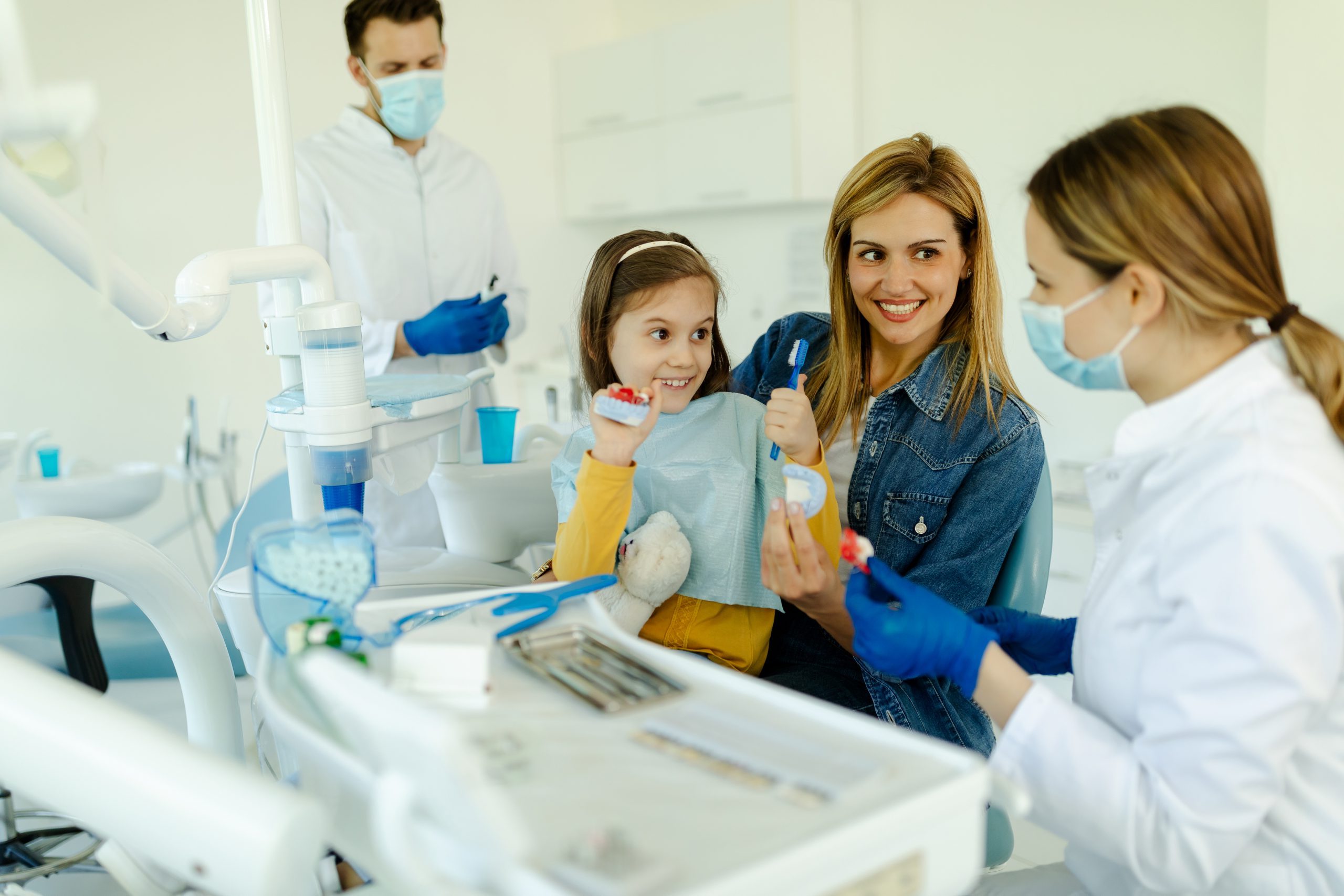
Whether you meet with Dentists in a multidisciplinary setting, a dedicated Dental implants periodontist, or a general Dentist with advanced training, look for transparent planning, photographs or models that explain the design, and a maintenance schedule that fits your life. Good dentistry respects biology, honors aesthetics, and builds something you can live with comfortably for years. Implant-supported dentures, done thoughtfully, do all three.