Dental emergencies never wait for a clear calendar or a calm day. They show up at 7 a.m. before a work presentation, or on Saturday night after a popcorn hull finds the smallest possible gap under a filling. In the chair, the difference between a rushed, stressful visit and a focused, effective one often comes down to preparation. Over years of coordinating emergency care with dentists, dental hygienists, and hospital teams, I’ve learned exactly what helps patients get faster relief and smarter treatment decisions. This is the working checklist, with context and judgment you can trust.
What counts as an emergency and what can wait
People get tripped up on this more than they admit. Tooth pain is subjective, and a cracked front tooth can feel urgent for social reasons even if the pulp is intact. Clinically, emergencies fall into a few buckets.
Sudden, severe pain that throbs, wakes you from sleep, radiates to the ear or jaw, or worsens when you lie down usually signals pulpal inflammation or a spreading infection. Those cases may need a same‑day evaluation to rule out an abscess, and can lead to a root canal or, if the tooth is not restorable, a tooth extraction. Swelling that extends into the face or neck, fever, difficulty swallowing, or breathing changes call for immediate care, sometimes at an emergency department. A broken tooth with exposed dentin or pulp, a knocked‑out permanent tooth, bleeding that doesn’t slow after 15 to 20 minutes of pressure, or trauma that shifts teeth out of position are emergencies too.
Chipped enamel without sensitivity, a loose veneer, a lost crown that isn’t painful, or a broken denture is urgent but not always emergent. Many dental clinics keep space for same or next‑day visits. Even “cosmetic” problems can become biological ones if left: exposed dentin can decay quickly, and poorly fitting temporary dentures can cause ulcers that get infected. My rule of thumb: if pain is moderate to severe, or if you notice swelling, drainage, or fever, treat it as urgent. If you’re unsure, call an emergency dentist. Clinics in larger cities often triage over the phone, and the better ones will guide you without overselling treatment.
The fast‑pack kit: what to bring
Showing up with the right information saves diagnostic time and cost. It also helps your dentist tailor pain control and avoid drug interactions.
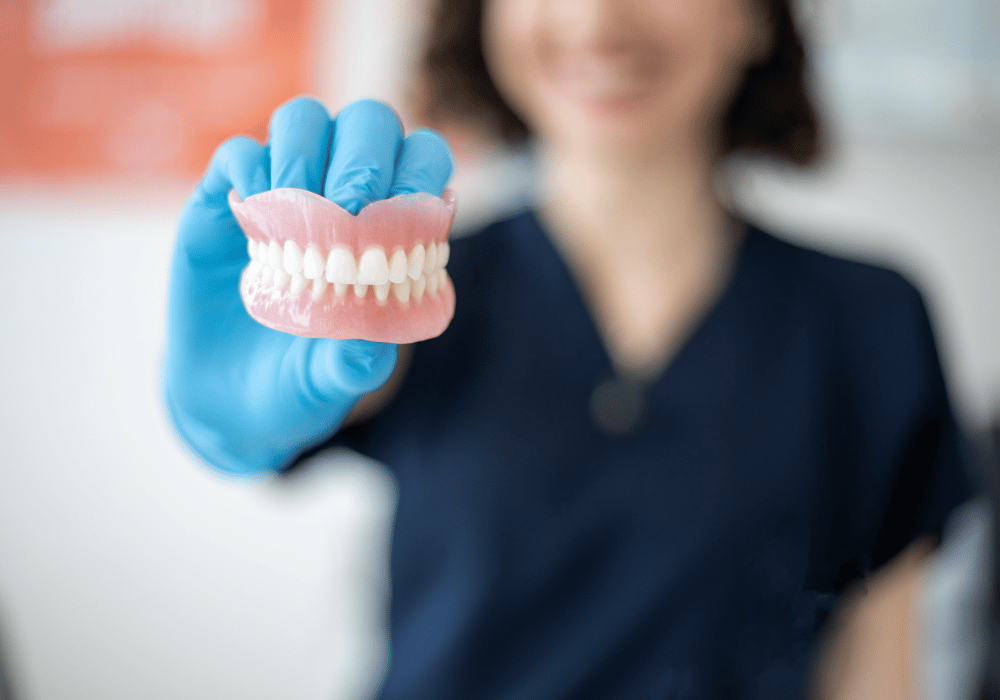
- Government ID and insurance card. If you’re uninsured, bring a payment method. Many offices offer same‑day payment discounts or financing through third‑party plans. A current medication list. Include doses and timing for prescription drugs, over‑the‑counter pain relievers, blood thinners like warfarin, clopidogrel, or DOACs, and supplements such as fish oil or ginkgo. If you’re on bisphosphonates or denosumab for osteoporosis, flag it; it changes how we think about extractions and dental implants. Allergies and past reactions. Write down any history of hives, breathing issues, or stomach upset from antibiotics, local anesthesia, or pain meds. If you’ve had trouble tolerating epinephrine in local anesthetic, mention it. Dental history. Bring recent x‑rays if you have them. A photo on your phone is better than nothing. If you see a regular dentist, have their clinic name handy. Prior root canals, fillings, crowns, orthodontic braces, or myofunctional therapy all matter, because they affect bite and nerve pathways. Mouthguard, retainer, or dental appliance. If trauma or pain relates to an appliance, the device itself can tell the story. For denture wearers, bring both dentures, even if only one is the problem. If a porcelain veneer or crown came off cleanly, bring it in a small container or milk to prevent dehydration.
That is the first https://paradigmdental.ca/our-dental-care-services/tmj-screening/ list. The second will cover what to ask once you arrive.
Before you leave home: immediate first aid that actually helps
A few home steps can preserve a tooth or at least ease the ride to the dental clinic. If a permanent tooth is avulsed, gently rinse off debris with saline or milk, not tap water, and try to reinsert it into the socket with light pressure. If you can’t, place it in cold milk or a specialized storage solution. Time is not your friend here. Under an hour is the gold zone, under 30 minutes is better.
For fractures with sharp edges, dental wax or sugar‑free gum can protect cheeks and tongue. Rinsing with warm salt water reduces bacterial load and soothes inflamed tissue. For pain, ibuprofen and acetaminophen used together, staggered according to dosing guidelines, provide stronger relief than either alone for most healthy adults. Avoid aspirin if you suspect you’ll need extractions or sutures. Skip topical aspirin on the gum; it burns tissue.
Compresses make a difference too. Use a cold pack wrapped in cloth for 10 to 15 minutes to limit swelling. Heat feels good but can worsen inflammatory spread in acute infection. If you notice facial swelling that increases quickly, especially with fever, skip the home remedies and seek care immediately. Do not take leftover antibiotics without guidance. Wrong drug choice and incomplete courses create resistant infections and complicate future treatment.
What the dentist needs to know in the first two minutes
The best emergency evaluations start with a crisp story. Expect focused questions, and aim for specific answers. Where exactly is the pain, what does it feel like, when did it start, what makes it better or worse, and have you had work on that tooth before? If cold, heat, or chewing triggers pain that lingers more than 30 seconds, say so. If tapping on the tooth produces a deep ache, that suggests ligament inflammation. Mention nighttime wakening or pain when you bend over, both common with symptomatic apical periodontitis or sinus‑related tooth pain.
If you’re in orthodontic treatment, bring it up. Orthodontic braces can create transient sensitivity, but a bracket that popped off in a fall changes the triage entirely, because we worry about root fractures and displacement. If you’re in the middle of myofunctional therapy and using appliances, note it, since airway, tongue posture, and joint symptoms sometimes masquerade as tooth pain.
For patients with implants, detail the timeline. A dental implants periodontist will consider whether you’re in the osseointegration phase or long past it, which guides whether tenderness is from a loose abutment, peri‑implant mucositis, or peri‑implantitis. For denture wearers, point out any sore spots or recent adjustments. Ulcer location can hint at bite imbalance, candidiasis, or friction over a bony prominence.
X‑rays, tests, and what they really show
Emergency dentistry isn’t guesswork. Sensitivity testing with cold spray, percussion and palpation, pocket probing, and a focused series of radiographs create a map of the problem. Periapical x‑rays show root tips and surrounding bone, while bitewings capture crown height and interproximal decay. Cone beam CT, when appropriate, gives a 3D look at root fractures, sinus involvement, or implant positioning, and is invaluable for complex cases. Most issues, however, resolve with good clinical testing and two to three traditional films.
Patients worry that “they’re just taking x‑rays to bill me.” In emergencies, imaging almost always changes the plan. A tooth that hurts to cold and percussion may still be savable with a root canal and a well‑sealed crown. A similar‑feeling case might show a vertical root fracture, which no amount of endodontic finesse can fix. The image decides between tooth extraction and repair. If cost is a concern, say so early. Many clinics can prioritize a minimal but adequate set of images and delay comprehensive dental exams until the crisis passes.
Common emergency scenarios and how decisions get made
Severe decay hitting the nerve chamber produces classic pulpitis: sharp, lingering pain to cold and sweets, sometimes a bit of relief with heat. When caught before the pulp becomes necrotic, a root canal can quiet the tooth and keep it in service for years. I’ve seen dentists perform same‑day root canals in under an hour for single‑rooted teeth, with a temporary filling until a crown appointment. Multirooted molars often need a specialist, but good general dentists handle many cases capably.
Abscess with swelling changes the calculus. Incision and drainage may come first, coupled with antibiotics if systemic signs exist. Once the infection calms, the choice is to save the tooth with endodontics or remove it. Extraction is not failure. For some posterior teeth with poor remaining structure, deep cracks, or missed canals from prior treatment, taking the tooth out prevents recurrent infection. Planning starts immediately for the gap: a dental implant, a bridge, or a partial denture. If you are in London, Ontario, many Dentists London Ontario coordinate seamlessly between a general Dentist London and a Dental implants periodontist, and an Emergency dentist London Ontario can start the ball rolling with a realistic timeline.
Cracked teeth are trickier. A small enamel crack often needs smoothing and possibly a bonded filling. A deeper crack into dentin can require a crown, and if it reaches the pulp, you’re in root canal territory. Vertical fractures running the length of the root almost always end in extraction. Expect the dentist to test biting on a tooth sleuth device, look for a crack line with transillumination, and review bite history. If you grind at night, a guard becomes part of the aftercare plan.
Trauma brings its own decision tree. A knocked‑out permanent tooth belongs back in the socket fast. A tooth pushed out of place can often be repositioned and splinted for a few weeks, with follow‑up to assess nerve vitality. Chipped front teeth can be beautifully rebuilt with composite or, for larger defects, porcelain veneers from a cosmetic dentist. Cosmetic dentistry finds its way into emergency care more than people think. The key is to stabilize and protect, then revisit color matching and contours once swelling resolves. For kids, a pediatric dentist should weigh in, since primary teeth injuries impact developing permanent teeth differently.
Broken or lost crowns can feel dramatic, especially on front teeth, but the path is usually straightforward. If the underlying tooth is sound and the crown intact, it may simply be cleaned and recemented. If decay crept underneath, removing the decay and placing a new crown or an interim onlay might be in order. In select cases, the tooth requires a root canal if sensitivity is severe or if the pulp has been compromised during cleanup.
Denture emergencies include cracked bases, broken clasps, and sore spots that erupt after a small change in diet or a long day of speaking. A skilled clinic can often repair a fracture in the lab the same day. If you rely on a full denture and it shatters, consider a backup set in the future. Patients in Dentures London Ontario often plan a spare, especially if travel or public‑facing work makes downtime costly.
Money, time, and what buys you value
Emergency dental services can feel expensive, partly because you’re seeing fees in isolation. A limited exam with x‑rays and palliative care might run a few hundred dollars, and definitive treatments like root canals or extractions add to that. Ask about tiered options. A pulpotomy to quiet a tooth can buy you time if you need to delay a full root canal for a paycheck or to coordinate with a specialist. Temporary fillings, smoothing sharp edges, and medicated dressings are legitimate stopgaps, as long as you commit to definitive care within days or weeks.
If you carry insurance, check whether the clinic is in network. Even out‑of‑network, emergency coverage may reimburse at comparable rates for urgent care. In some cities, including London, Ontario, a Dental clinic London will disclose fees upfront, and an Emergency dentist London will often quote a range before they pick up the syringe. Transparency is a good sign you’re in the right chair.
Financing is more useful than most people assume. Spreading the cost of a crown or implant over 6 to 18 months can be the difference between saving a tooth and losing it. If you anticipate dental implants London Ontario down the road, ask how early gum shaping or bone grafting might fold into a later implant plan to avoid duplicated costs.
Pain control without unnecessary risk
Local anesthesia remains the workhorse. For hot teeth with inflamed pulps, inferior alveolar nerve blocks or intraosseous injections may be needed. If you’ve had trouble getting numb, say so. Dentists have tricks that work reliably, from buffering anesthetic to warming it slightly, and from supplemental intraligamentary injections to staged anesthesia to reduce adrenaline jitters.
Medication strategy starts with the basics. Ibuprofen and acetaminophen in alternating doses provide strong analgesia for most healthy adults. For patients with gastric issues or on anticoagulants, acetaminophen alone, carefully dosed, is safer. Short opioid prescriptions still show up in some emergencies, but many clinics have moved away from them, except in narrow circumstances. Antibiotics are not painkillers. They belong when there is spreading infection, systemic signs, or specific surgical indications, not for uncomplicated pulpitis. If you’re allergic to penicillin, alternatives like clindamycin have their own downsides. Discuss risks, including C. difficile with clindamycin, and ask whether amoxicillin‑clavulanate or azithromycin fits better.
How emergencies intersect with cosmetic and orthodontic care
A surprising number of emergencies touch cosmetic dentistry. A tooth that chips across the incisal edge might be a simple composite repair, or it may point to a bite issue that will crack any veneer you place later. A cosmetic dentist will look beyond the fracture line to the occlusion and parafunction habits. If you’re mid‑course with orthodontic braces, detachments from trauma need timely rebonding, but a careful evaluation comes first to ensure roots and bone are intact. Orthodontic wires that poke the cheek can be temporarily covered with wax until your orthodontist trims them. Do not cut wires at home unless instructed; you can turn a nuisance into a soft tissue laceration.
Teeth whitening mishaps aren’t emergencies in the true sense, but they feel urgent when sensitivity spikes. High‑concentration bleaching gels can irritate gum tissue and inflame the pulp in teeth with microcracks or thin enamel. Stop whitening for a few days, use potassium nitrate toothpaste, and ask the clinic whether lower concentration trays or in‑office treatments with barriers suit you better. In London, Teeth whitening London Ontario is common in cosmetic dentistry London practices, and most offer sensitivity protocols as part of their Dental services.
Porcelain veneers and bonded restorations have their own failure modes. If a veneer debonds intact, safe storage and gentle recementation can salvage it. If it fractures, patching with composite may buy time. For patients with bruxism, a nightguard after any cosmetic restoration isn’t optional. It’s insurance against another Saturday night emergency.
Implants and extractions: immediate, staged, or something in between
When a tooth must come out, planning the next step right away pays dividends. Immediate dental implants placed at the time of extraction succeed when infection is controlled, bone is adequate, and primary stability is achievable. If you present with a large abscess, heavy bone loss, or systemic risk factors, a staged approach with bone grafting and delayed implant placement is safer. A dental implants periodontist or a surgeon‑restorative team will map this out. In the interim, a flipper partial denture, an Essex retainer, or a bonded Maryland bridge can maintain appearance.
Surgical extractions sound dramatic, but most are straightforward. The aftercare is where outcomes diverge. Bite on gauze for firm pressure. Don’t rinse or spit forcefully on day one. Avoid straws and smoking for at least 48 to 72 hours to prevent dry socket. Good clinics send you home with clear instructions and a number to call. If you develop increasing pain after initial improvement, or a bad taste and odor from the site, return promptly for evaluation.
The second list: key questions to ask during the visit
- What is the most likely diagnosis, and what else could it be? What are my immediate options and the risks of waiting a day, a week, or a month? If we do a stopgap today, what are the downstream costs and steps to finish? How will this affect adjacent teeth, my bite, or future treatments like veneers, braces, or implants? What should I expect in the next 48 hours, and when should I call you back?
These questions encourage a collaborative plan. They also surface hidden constraints, like limited remaining tooth structure or a sinus floor that complicates upper molar implants.
Follow‑through: what to do after you leave
The next two days determine whether you coast into recovery or ping‑pong back to the chair. Take medications as prescribed. Don’t skip antibiotics mid‑course if you started them. Use a soft brush around treated areas, and warm salt water rinses after 24 hours if you had an extraction or incision. Stick to softer foods and chew on the opposite side if you had a heavy restoration.
If you received a temporary filling or a provisional crown, baby it. Avoid sticky foods and floss by sliding the floss out rather than snapping up and down. If something feels high when you bite, call for a quick adjustment. Bite discrepancies irritate the ligament and can turn a quiet tooth into a troubled one.
Schedule the definitive step before you forget. A root canal without a crown on a posterior tooth is a half‑finished job, and fractures happen when people wait. If you’re planning cosmetic dentistry London work like teeth whitening or porcelain veneers, finish urgent care first, then complete any needed Dental exams and teeth cleaning so your gums are healthy and shade selection is accurate.
Local realities: finding help in London, Ontario
If you live around London, Ontario, you have options. Many Dentists London Ontario keep emergency slots each day, and an Emergency dentist London Ontario can usually see you same‑day for true emergencies. Look for a Dental clinic London with on‑site x‑ray capability, a clear fee schedule, and a network that includes endodontists for root canals and a dental implants periodontist for implant planning. Cosmetic dentistry London Ontario practices often partner with general providers to handle fractures that affect smile zones, and Dentures London Ontario labs can turn repairs quickly when coordination is smooth.
If you’re unhappy with a rushed diagnosis, ask for a copy of your x‑rays and seek a second opinion. Dentistry benefits from collaboration. Just as you’d want a cardiologist’s input for a complex heart rhythm, a tough molar might call for an endodontist, and tricky implants should involve a periodontist or an oral surgeon alongside your restorative dentist.
When prevention is the only winning move
Emergencies can be random, but many are preventable with simple habits. Routine dental exams and teeth cleaning catch cracks, leaking fillings, and early gum infections before they explode. Sports mouthguards save teeth and lips. Nightguards protect restorations from grinding. For patients on orthodontic braces, wax and consistent wire checks prevent cheek injuries from loose ends. Those planning cosmetic work should stabilize bite and periodontal health first, or risk doing things twice.
Even the “simple” services matter here. A well‑contoured filling that seals margins and matches bite prevents the slow creep of decay and the sudden Saturday throb. Professionally guided teeth whitening avoids gel burns and post‑op zingers. Myofunctional therapy, when properly indicated, can reduce clenching and improve airway dynamics that ripple through dental health. The quiet, unglamorous appointments are what keep you out of emergency phone trees.
A calm plan for a chaotic moment
You don’t need a dental degree to steer an emergency visit well. Bring ID, insurance, meds, and dental history. Use smart first aid. Give a focused story. Ask clear questions. Know that immediate comfort and long‑term function sometimes pull in different directions, and a good dentist will help you balance both. Whether you’re working with a neighborhood dentist or an emergency dentist in London, the right preparation turns a crisis into a straightforward clinical problem, which is exactly what it should be.