Cosmetic dentistry is not a single procedure, it is a tailored plan that blends art, biology, and engineering to change how a smile looks and how a mouth functions. The most satisfying makeovers I have seen do not chase a trend, they restore harmony to the face, teeth, and bite. Sometimes that means a simple session of teeth whitening, sometimes it means a comprehensive rebuild with implants, porcelain veneers, and orthodontic braces. The goal stays the same: a confident smile that holds up under daily use.
What a Smile Makeover Really Involves
A smile makeover begins with a clear picture of where you are and where you want to go. That sounds obvious, but it is the step many people skip. Before we touch a tooth, we study how your lips frame your smile at rest and while talking, the width of the dental arch, the gum levels, and the shade and translucency of your enamel. We map how the jaws close, whether there is joint soreness in the morning, and if breathing or swallowing patterns are affecting tooth position. A good cosmetic dentist weighs esthetics against structure, and structure against longevity.
Expect a few core building blocks in a thorough plan:
- A diagnostic phase with records: photographs, digital scans, bite registrations, and dental exams, sometimes including 3D imaging for implants or complex bites. A blueprint: wax-up or digital simulation to preview the shape, length, and alignment of teeth. A staged treatment plan that balances cost, time, and biology, so that each step supports the next without painting you into a corner.
Shade, Shape, and the Face They Belong To
The best-looking teeth rarely scream “new.” They reflect light naturally, match your sclera rather than paper white, and respect the proportions of your face. In my practice, I often start by discussing tooth shape families: square, oval, triangle, and blends. A strong square incisor reads assertive and youthful, an oval incisor softens the look. We tune incisal edges by tenths of a millimeter to follow the lower lip line, which is why a mock-up is worth the time. Patients frequently fall in love with a design only after they see it in their own mouth, even if it is made of temporary material.
Color is another judgment call. Commercial “bleach shades” can look terrific on-camera yet harsh in natural light. A two-shade lift with professional teeth whitening often creates a healthier glow while preserving the enamel’s character. When we place porcelain veneers, we choose translucency and surface texture to keep that believable shimmer. Polished flat veneers bounce light like plastic, while micro-textured porcelain scatters it like real enamel.
From Cleaning to Canvas: Laying the Groundwork
Every makeover rests on healthy gums and clean teeth. It is not glamorous, but a skilled dental hygienist sets the stage. Thorough teeth cleaning removes plaque and calculus so our impressions and bonding are accurate and the gums stop bleeding and recede less. If you skip this step, veneers may not seal properly, whitening can splotch, and gum inflammation can sabotage esthetic symmetry. I advise patients to schedule hygiene first, then reassess the tissue response two to three weeks later before definitive work.
This is also the moment to address decay with fillings, replace failing restorations, and stabilize cracked teeth. A cracked molar that needs a crown or even a root canal is not a great foundation for cosmetic work unless we treat it first. No one wants a brand-new smile with a ticking time bomb underneath.
Whitening: Small Change, Big Lift
Professional whitening often delivers the fastest return on investment. In-office systems lift shade quickly with controlled gels and light activation, while custom trays let you fine-tune at home over a week or two. I measure expectations carefully. Deep tetracycline staining can lighten but rarely disappears fully with whitening alone. Age-related yellowing and surface discoloration from coffee, tea, and tobacco respond very well. Sensitivity is the most common side effect, usually temporary and manageable with potassium nitrate gels and short breaks between sessions.
Patients in London, Ontario often ask whether over-the-counter kits can match clinic results. They can help a shade or so, but consistency and safety improve when a dentist supervises. If you are planning porcelain veneers, we often whiten first, then shade-match the ceramics to the lighter baseline. For those searching locally, “Teeth whitening London Ontario” will turn up many options, but focus on provider experience and follow-up care, not just the promotional price.
Straightening the Canvas: Orthodontic Braces and Aligners
Crooked or crowded teeth can be masked with porcelain, but nothing beats moving teeth into a stable, healthy bite when time allows. Orthodontic braces and clear aligners both have a place in cosmetic dentistry. Braces offer precise control for complex rotations and vertical movements, while aligners appeal for their aesthetics and hygiene benefits. Treatment can run from a few months for minor relapse to 18 months or more for comprehensive correction.
Two clinical notes matter. First, track airway and muscle patterns. Mouth breathing, low tongue posture, and reverse swallowing can push teeth back to their old positions. Myofunctional therapy, which retrains tongue and lip function, anchors orthodontic results the way strength training supports a new posture. Second, enamel edge reshaping and small composite buildups after alignment can polish the final look without aggressive drilling.
If you are searching for local help, “Orthodontic braces,” “Dentist London,” or “Dentists London Ontario” will surface both general dentists who provide aligners and orthodontists who handle complex cases. Choose based on case complexity, not marketing gloss.
Porcelain Veneers: Precision Where It Counts
Porcelain veneers remain the workhorse of cosmetic dentistry when we want to improve color, shape, and minor misalignment simultaneously. A well-made veneer is thin, often 0.3 to 0.7 mm, yet strong after bonding. The secret lies in preparation design and adhesive protocol. We preserve enamel whenever possible because bonds to enamel outperform bonds to dentin for long-term stability. I use rubber dam isolation or equivalent moisture control during bonding to reduce contamination. That detail predicts whether margins stay crisp after 10 years.
Patients often ask how many veneers they need. The answer is the number of teeth visible in your broadest smile. For some, that is four or six. For others, ten upper teeth and sometimes the lower six. Partial treatment can look beautiful, but beware of a color or texture mismatch against untreated neighbors. Composite veneers provide a cost-conscious option and shine in skilled hands, though they stain sooner than porcelain and need maintenance.
Edge cases matter. If you have heavy nighttime grinding, we may thicken veneers, use a stronger ceramic, or recommend a night guard. Bruxers who refuse protection should consider alternative routes like orthodontics and conservative bonding.
Crowns, Bridges, and When Structure Comes First
Sometimes a tooth is too damaged for a veneer. Large fractures, endodontically treated teeth with missing walls, or heavy wear may call for a full coverage crown. Modern ceramics can offer life-like translucency and the strength to handle molar forces. A bridge can replace a missing tooth when implants are not feasible, but keep in mind that neighboring teeth must be prepared. I prefer to avoid cutting down healthy teeth if a single implant is possible.
A root canal, done well, preserves your natural tooth and allows a crown or onlay to restore shape. Nothing in dentistry looks or functions quite like well-maintained natural structure. If you have been told every discolored tooth needs extraction, get a second opinion. Endodontic techniques have advanced, and retreatment can rescue teeth once considered hopeless.
Dental Implants: Replacing Roots, Not Just Teeth
Dental implants changed how we rebuild smiles with missing teeth. Instead of relying on adjacent teeth for support, an implant acts like a root anchored in bone. With proper planning and a skilled dental implants periodontist or surgeon, we can position the implant to support a crown that emerges through the gum in a natural way. That emergence profile, not just the visible crown, separates average from excellent.
Timing matters. After a tooth extraction, bone resorbs. Ridge preservation grafts keep the option for implants open. In the maxillary front, where esthetics are unforgiving, we sometimes place immediate implants if the bone and soft tissue conditions are right. Other times we stage grafting and use a temporary bonded bridge to maintain the smile during healing.
For full-arch cases, four to six implants can support a fixed bridge that replaces a complete set of teeth. The transformation is profound, but maintenance is non-negotiable. Patients must learn to clean under the prosthesis and return for regular professional care. If you are comparing local options, searches such as “Dental implants London Ontario,” “Dental implants London,” or “Dental clinic London” will surface clinics that provide these services. Look for documented cases and a clear maintenance protocol rather than just before-and-after photos.
Dentures With Dignity: Getting Fit and Function Right
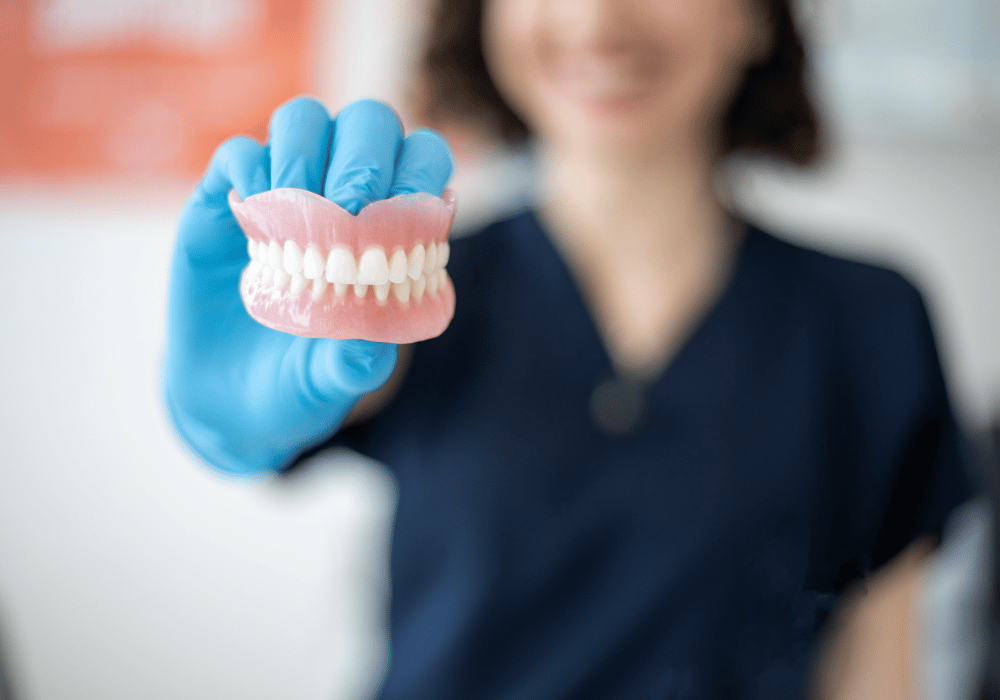
Modern dentures are light-years beyond the pink plastic of decades past. With digital impressions, facial scans, and careful tooth selection, a well-made denture can look like your natural smile, not a generic row of chiclets. Still, a lower denture without implants tends to move, especially in patients with significant ridge resorption. Two implants to retain a lower denture change quality of life dramatically. For many people, that is the sweet spot between cost and function.
In London, Ontario, options for “Dentures London Ontario” and “Emergency dentist London Ontario” are common searches. If you need an urgent adjustment because a new denture is cutting your cheek, do not tough it out. An emergency dental service can relieve a sore spot quickly, and small adjustments early prevent big ulcers later.
Beyond Looks: Bite, Muscles, and Airway
Cosmetic dentistry is stronger when it acknowledges that teeth do not live alone. They share space with muscles, joints, and your airway. Patients with narrow palates and mouth breathing often relapse after orthodontics, snore at night, or wake with dry mouth. Myofunctional therapy helps retrain the tongue to rest on the palate and seal the lips. That simple shift can improve nasal breathing and reduce open bite tendencies in growing patients. Adults benefit too, with better stability and often calmer muscles.
For patients with frequent chipping of veneers or composite edges, I test the bite with articulating paper and sometimes with computerized analysis. Micro-high spots can fracture porcelain. Rebalancing the bite and prescribing a night guard costs less than a cycle of repairs.
When Emergencies Interrupt the Makeover
Life does not wait for the perfect timing. Midway through whitening, a patient breaks a molar on a popcorn kernel. Or a veneer dislodges the night before a speech. A responsive dentist can triage quickly: re-cement a veneer, smooth a sharp edge, place a protective temporary, and keep the plan on track. If you are in a new city, the phrases “Emergency dentist London” or “Emergency dentist London Ontario” can connect you to a dental clinic that handles urgent needs. Bring any records or recent photos if you have them. They save time and help match esthetics.
The Role of Prevention in a Cosmetic Result
Beautiful dentistry endures when home care and maintenance match the investment. After veneers or implants, I schedule hygiene visits every three to four months for the first year, then adjust to risk. Smokers, heavy coffee drinkers, and dry mouth patients need closer support. A soft toothbrush, non-abrasive toothpaste, and daily floss or interdental brushes keep margins tight and gums calm. For whitening maintenance, a couple of nights with custom trays each quarter often holds the shade.
Diet matters more than many expect. Sipping acidic drinks over long periods bathes enamel in acid and can roughen the surface of composite or porcelain glazes. If you love sparkling water or citrus, enjoy them with meals and rinse with water after. Small habits protect large investments.
Local Care, Real Choices
If you are looking for a dentist in London, Ontario, you will find many capable clinicians, from general dentists to specialists. Search terms like “Dentist London Ontario,” “Dentists London Ontario,” “Cosmetic dentistry London Ontario,” “Cosmetic dentistry London,” and “Dental clinic London” will turn up options. Use that as a starting point, then vet providers by:
- Case photography that shows consistent results in lighting that is not overexposed. Willingness to discuss trade-offs and alternatives, not just the top-shelf plan. Clear fees, timelines, and what happens if a step needs to change mid-treatment.
A cosmetic dentist should be comfortable collaborating. Complex cases often involve a periodontist for soft tissue shaping, a dental implants periodontist or surgeon for implants, an orthodontist for tooth movement, and a dental hygienist who keeps everything healthy along the way. Great results usually come from a team, not a single pair of hands.
Teeth that Need More Help: Extractions and Transitions
Occasionally, the kindest choice is to let a failing tooth go. A hopeless crack below the gum line, repeated infections, or severe decay under a crown can make heroic measures unwise. A careful tooth extraction protects the bone and gums and sets us up for the next step, whether that is an implant, a bridge, or a partial denture. Transitional options, like a bonded flipper or an Essix retainer with a tooth, help you move through the healing period without a visible gap.
The difference between a rough and a smooth transition often comes down to planning. If we know a tooth is questionable before we start a veneer case, we design the sequence so you never feel exposed.
Cost, Timing, and How to Decide
Budget and time shape what is possible. You do not have to do everything at once. A well-phased plan might start with hygiene and whitening, then aligners, then ceramic work. Or it might start with stabilizing back teeth before touching the esthetic zone. I like to present best, better, and minimal options with honest expectations about longevity.
Insurance rarely covers cosmetic dentistry beyond what is medically necessary, such as fillings for decay or crowns for fractured teeth. Implants sometimes receive partial support under major restorative benefits. Ask for a pre-determination so you understand coverage, but do not let insurance drive the design. The cheapest solution today can be the most expensive over five years if it fails early.
A Case Story that Sticks With Me
A 38-year-old teacher came in with crowded front teeth, chipping along the edges, and a color she disliked in photographs. She had tried whitening strips with uneven results, and a previous dentist had suggested eight veneers. We stepped back. After dental exams and photographs, we chose short-term orthodontic aligners for six months, light enamel reshaping, and in-office whitening with custom trays for maintenance. The chips were small enough to polish and restore with conservative bonding. The total cost was about half the veneer plan, and she kept nearly all her enamel. Two years later, the edges still look clean. Not every case fits this path, but it shows how function first can simplify the esthetic solution.
When Veneers Are the Right Answer
A different patient, 52, had small, dark, and worn upper teeth, with old composite fillings that stained at the edges. Her lip line showed a lot of gum on the left and little on the right. We worked with a periodontist to level the gum margins with a gentle crown-lengthening procedure, then placed ten upper porcelain veneers with a warm shade and natural texture. She wore a night guard from day one. The transformation was immediate and believable, not flashy. Five years later, the margins remain tight. The key decisions were soft tissue symmetry first, then ceramics, not the other way around.
Finding Fit Between Expectation and Biology
Cosmetic goals sit on a spectrum. Some people want a camera-ready smile with perfect symmetry. Others prefer slight irregularities that look natural. Biology also sits on a spectrum: thin gum biotypes show every change, while thick biotypes are more forgiving. If you have a thin biotype, we handle retractions delicately, avoid deep subgingival margins, and keep provisional restorations polished to protect the tissue. If your saliva flow is reduced, we choose materials and cements that resist dry-mouth challenges and build a maintenance plan with more frequent visits.
These details do not make headlines, but they determine whether your investment pays off year after year.
What to Expect During the Process
Most makeovers follow a rhythm. Your first visit includes conversation, dental exams, photos, and scans. The second visit may include a cleaning and whitening trays or, for complex cases, a diagnostic wax-up review. Temporaries come next if we are reshaping teeth, followed by a try-in appointment to fine-tune shade and contour. Final delivery comes once we both agree the preview matches your goals. Then we protect what we built with home care coaching, a night guard if indicated, and a standing schedule with the hygienist.
If you are juggling travel or work, ask your dental clinic about consolidating visits. Many offices in London, Ontario offer coordinated scheduling so that your dentist, hygienist, and the lab align their timelines, especially for patients coming from outside the city.
Services Under One Roof or a Coordinated Network
Patients often ask whether a single dental clinic should provide all dental services. There is value in both models. A comprehensive clinic can streamline communication and reduce handoffs. A network of focused providers, on the other hand, brings deep expertise to each step. What matters is the handoff quality. If your cosmetic dentist collaborates clearly with the periodontist placing your dental implants, the restorative result will look and feel https://anotepad.com/notes/fktiritn integrated. Ask to see shared treatment plans and how the team manages changes if imaging reveals an unexpected bone contour or a root fracture.
Maintaining Confidence Beyond the Chair
A new smile shines during the handoff moment, but confidence builds over months. The veneer that keeps its luster after a year of coffee, the implant crown that blends seamlessly in a sunlit photo, the braces result that stays straight because you actually wear the retainer, these are the quiet wins. Keep your follow-ups. If a margin catches floss or a tooth feels high, call. Small corrections early prevent repairs later.
For locals, a steady relationship with a trusted “Dentist London Ontario” or “Dentists London Ontario” practice makes maintenance easy. Even if you move, ask your dentist to send records to your new provider so shade maps, lot numbers, and materials are on file. That information saves guesswork during any touch-ups.
Final Thoughts Worth Carrying Into Your Consult
Cosmetic dentistry works best when it respects your story: your face, your bite, your habits, and your goals. There is no single right shade, only the right shade for you. There is no universal plan, only sound principles that guide choices. Start with health, clean the canvas, move teeth if movement will make them happier, and choose materials with a clear-eyed view of their strengths and trade-offs. Keep muscle balance, airway, and maintenance in the conversation.
Confidence does not come from a mirror image alone. It grows from the feeling that your smile belongs to you, functions comfortably, and will still make sense in five, ten, or fifteen years. With a thoughtful plan and a team that treats you like a collaborator, a cosmetic dentistry makeover can deliver exactly that kind of confidence.
